
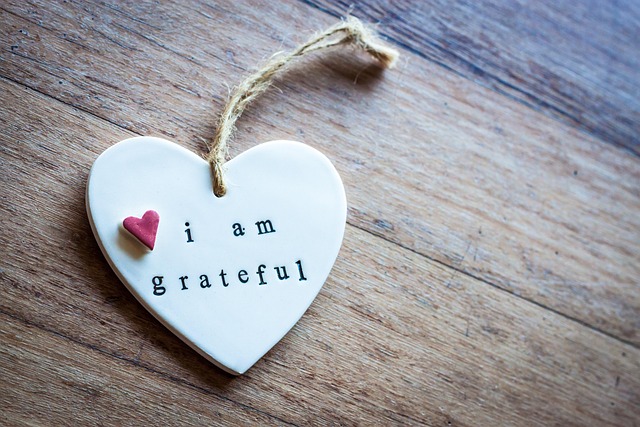
Sunday, September 21st, is World Gratitude Day! This day serves as a reminder of the importance of expressing gratitude and appreciation. During uncertain times, offers a powerful framework to find perspective and resilience in all times by focusing on the positive aspects of life.

Image by StockSnap from Pixabay
Why Gratitude Matters
- Builds Resilience: Gratitude helps you cope with stress, depression, and disappointment, increasing your capacity for joy and strengthening your ability to bounce back from difficult experiences.
- Improves Well-being: Studies show that practicing gratitude can enhance mental and physical health, leading to greater overall happiness.
- Shifts Perspective: By focusing on what you have rather than what you lack, gratitude shifts your perspective from life’s shortcomings to its generosity.
- Fosters Connection: Expressing and feeling gratitude can make you more social, trusting, and appreciative of others, deepening existing relationships and helping to form new ones.
How to Practice Gratitude
- Start a Gratitude Journal: Write down a few things you are thankful for each day to shift your mindset towards abundance.
- Reflect on Past Challenges: Think about difficult times you have overcome and be grateful for your strength and perseverance in getting through them.
- Express Gratitude to Others: A simple thank you or a heartfelt note can brighten someone’s day and bring light into your own.
- Find Small Joys: Appreciate small, everyday things, like the kindness of a stranger or the smell of fresh air, to find joy in the present moment.
- Acknowledge Effort: Be grateful for the efforts of those around you who make your life easier or brighter.
- Use visual reminders. Place objects that represent your gratitude—like a gratitude rock—in plain sight. Seeing or touching the item can cue a moment of mindful reflection.
- Engage in mindful activities. Pay attention to the present moment by using your five senses to appreciate the world around you. This could be a focused walk where you notice the sights, sounds, and smells, or simply savoring a cup of coffee.
Practicing Gratitude During Uncertain Times
As counterintuitive as it sounds, practicing gratitude when you’re in uncertain times is important. Why it matters:
- Stress Reduction: Gratitude can decrease stress and improve coping mechanisms, helping you manage anxiety and depression.
- Strengthens relationships: Expressing appreciation to others can deepen your connections and help you feel more supported. It also reminds you that you don’t have to face challenges alone.
- Boost Inner Strength: By training your mind to focus on positive aspects, you build an inner strength that can be drawn upon during difficult moments.
- Reframe obstacles: Gratitude encourages a focus on abundance over scarcity, helping to protect you from despair and reframe obstacles as opportunities for growth.
How Gratitude Impacts Health
The Impactful Ninja has a great article online. Gratitude has been scientifically shown to greatly benefit our mental, social, and emotional health. It is connected to over 35 types of improvements in many areas of life.
- Studies suggest that giving thanks and counting blessings can help people sleep better, lower stress, and improve interpersonal relationships. In addition, gratitude has the power to boost well-being, lessen depression and anxiety, and improve heart health.
- Moreover, people who practice gratitude regularly have much stronger bonds with family, friends, partners, and colleagues, and have a higher degree of life satisfaction.
- Mental Health: Studies show that expressing gratitude can decrease feelings of depression, anxiety, and stress. It can also lead to greater life satisfaction and improved self-esteem.
- Physical Health: Practicing gratitude has been linked to a reduction in stress hormones and improved cardiac functioning. It can also lead to better sleep and fewer physical symptoms.
- Emotional Well-being: Gratitude can enhance empathy, reduce aggression, and foster a more positive outlook. It helps in managing negative emotions and coping with setbacks.
- Brain Rewiring: fMRI studies show that gratitude activates the medial prefrontal cortex, a brain area involved in managing emotions. Regularly activating these “gratitude circuits” strengthens them through neuroplasticity, helping the brain to better manage difficult situations.
- Strengthening Resilience: By fostering awareness of the positive aspects of life, gratitude helps individuals to handle stress and negative emotions with greater ease.

Gratitude Framework
Incorporating a framework for thankfulness and gratitude has various interpretations. Common “4A’s” are:
- Awareness: The ability to notice the goodness and positive things in your life, big or small. This could be sunlight, a good conversation, or a kind gesture.
- Appreciation: Valuing and cherishing these good things, recognizing their importance, and letting them fill your heart.
- Acceptance: Embracing life’s circumstances, including its imperfections, and finding value even in difficult experiences.
- Action: Actively expressing your gratitude through actions, like thanking someone, performing kind acts, or paying it forward.
And, Brian Tracy suggests:
- Appreciation: Fostering a general attitude of gratitude.
- Approval: Giving praise and approval for others’ good efforts and ideas.
- Admiration: Complimenting people on their traits and accomplishments.
- Attention: Listening mindfully and patiently to others without interrupting.
Go Forth and Conquer
On this day of gratitude, let me start by thanking each of you for being a part of my world. I strive to address issues that may impact your contingency planning.
Thinking about this topic is anything but easy, I recognize. There is vulnerability in preparing in advance of natural disasters, illness, accidents, and death. A client this week told me it’s akin to a root canal, awful and necessary, while thanking me. (As my dad was a dentist, I got it!)
The stress and emotional impact during and after emergencies is real. I’d love to help you get your “go-to” plans in place and bring comfort in your readiness.
Pop me an Email or Book a Time with Lynn if you have any questions or would like to connect via Zoom to discuss your particulars.
For additional information about my work, check out @ The Living Planner or @ The Living Planner. If you’re up for pre-planning, my book is a resource for you. The Living Planner What to Prepare Now While You Are Living © Check it out HERE.
Quote for the week: “Try to be a rainbow in someone else’s cloud,” – Maya Angelou
I appreciate each of you, thank you! Lynn
#Can’tPredictCanPrepare #CareForPeopleCareForBusiness