
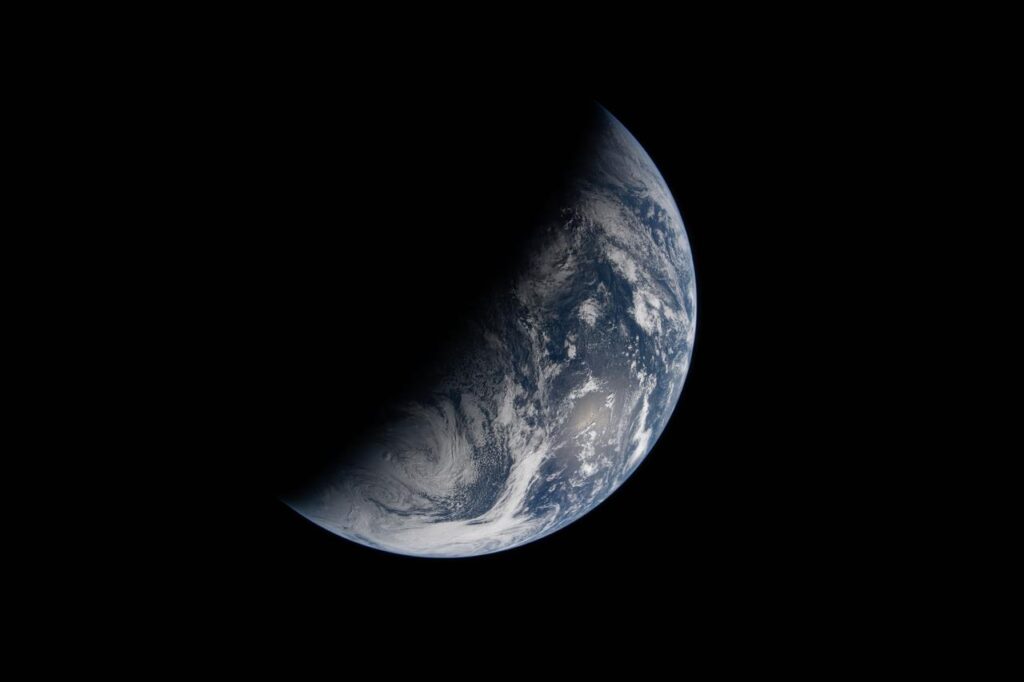
For Earth Month, let’s look at where we are and how everyday choices make a difference.
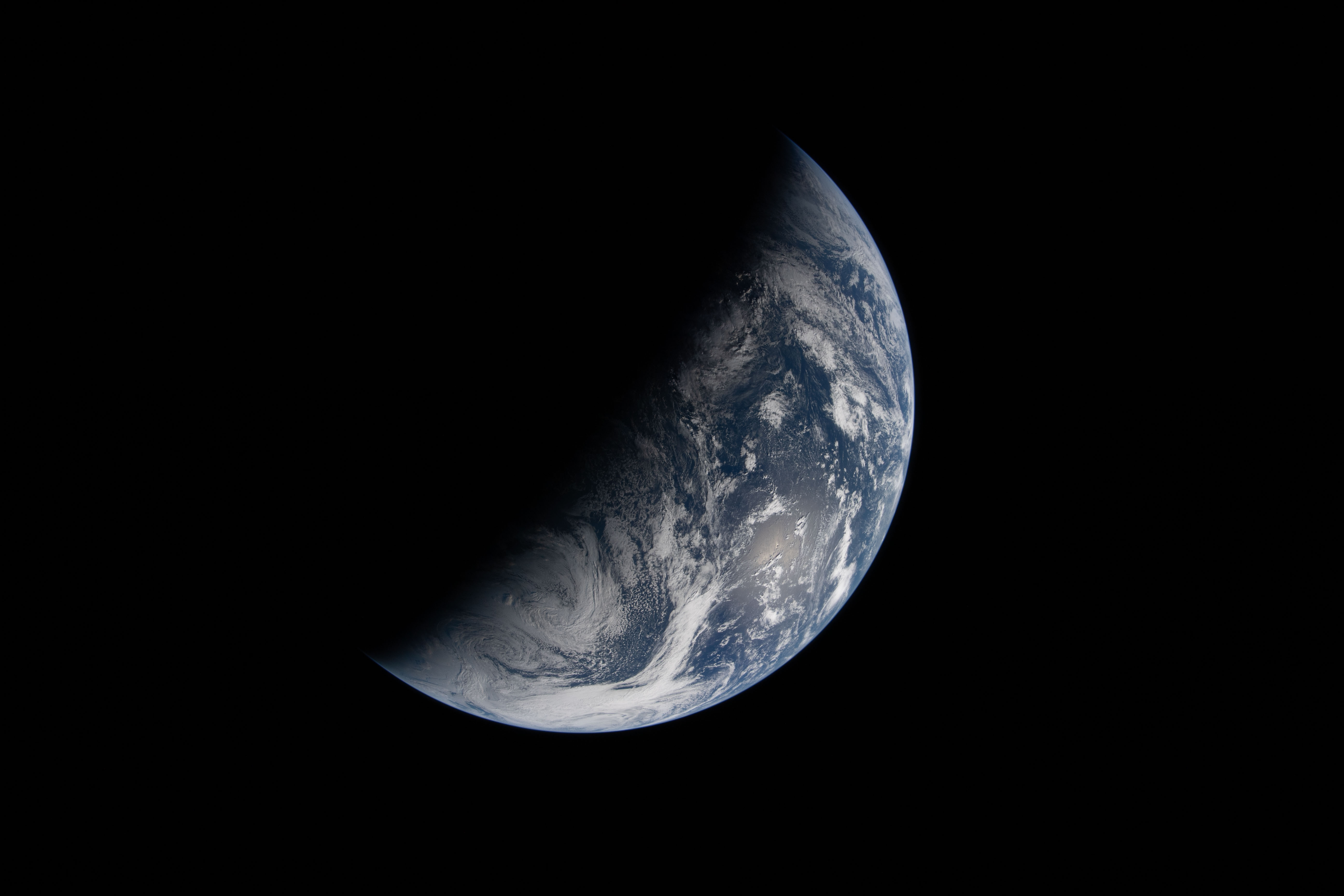
images-assets.nasa.gov/image/art002e023175/art002e023175~orig.jpg
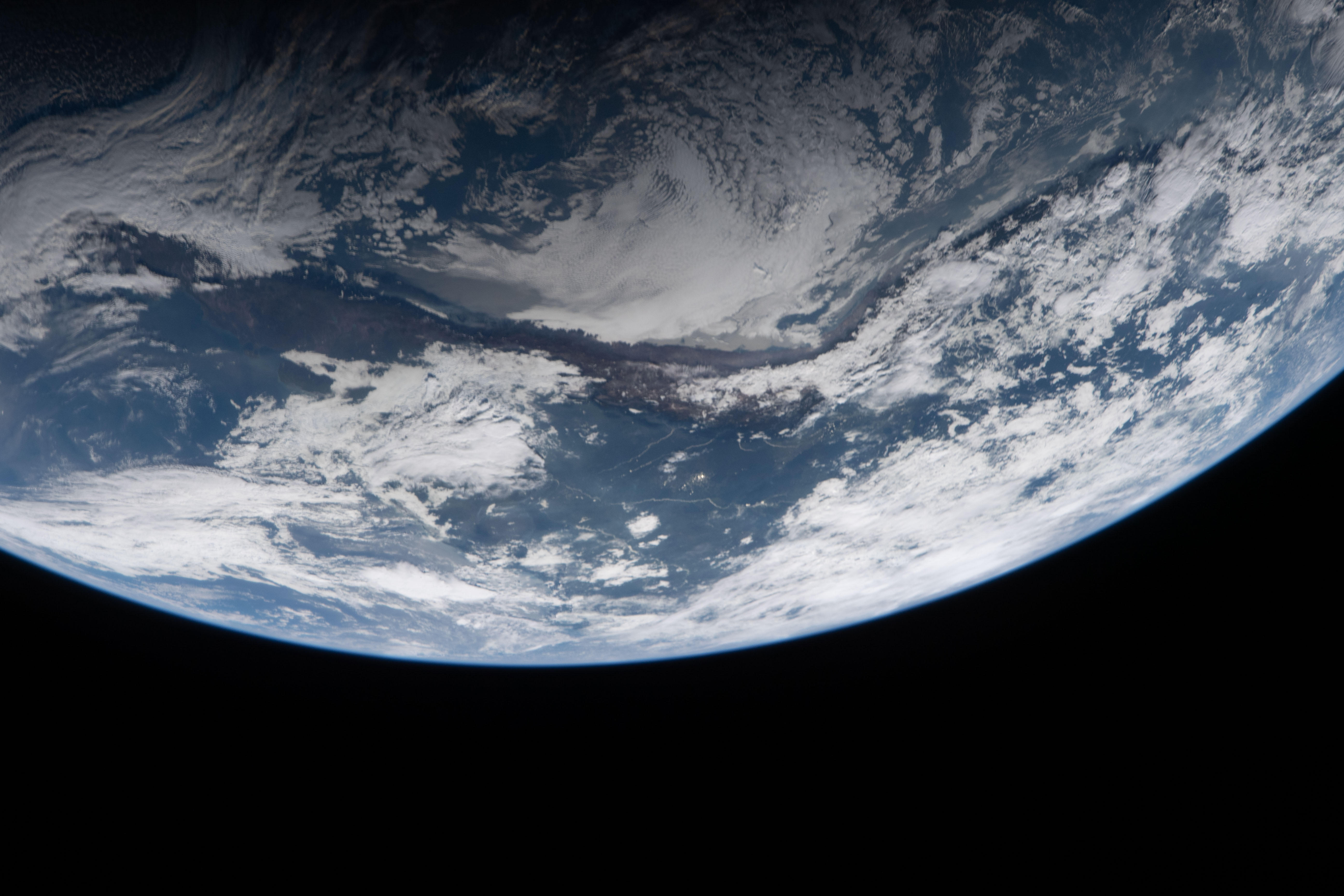
Stand at the edge of Antarctica and look up. The air is so clear it almost hums. Researchers at the international stations there have spent decades watching the ozone layer overhead — counting it, measuring it, worrying about it. For years, the news wasn’t good. But today, there is improvement.
The 2025 Antarctic ozone hole was the fifth-smallest since 1992, closing earlier than in any year since 2019. Scientists at NOAA and NASA confirmed what the researchers in those windswept stations have been quietly hoping for: international action is working.
The Montreal Protocol — a global agreement signed in 1987 to phase out ozone-depleting chemicals — is widely considered the most successful environmental treaty ever negotiated. And it proves something worth holding onto: when humans decide to act together, the planet responds.
When I traveled to Antarctica, I asked the researchers about ozone improvements. They referenced 1987 and the Montreal Protocol, and I referenced the ban on using aerosol hairspray!! We had a good laugh about that, as they said that really did make a difference!
Living in China during the 90’s, pollution is not an abstraction. It’s a haze that sits over cities, a taste in the air, a reason to wear a mask or consider if it’s necessary to go outside. In the three-plus years I lived there, I could count on one hand the number of times I could see stars. When I came back to the States for meetings or visits, I would stare up at the sky in awe!
The link between what we humans do and what we see and breathe is not theoretical in China; it’s a part of daily life. That experience changed how I see small choices.
And when I moved to Montreal in 2008, I learned about “reduce, reuse, recycle”. Where I lived, where I worked, and where I shopped for groceries reminded us daily to DO SOMETHING.
Earth Month is a good moment to zoom out — and then zoom back into your own kitchen, commute, and shopping cart. The good news about the ozone layer didn’t come from despair. It came from millions of decisions, scaled up into policy, executed by industries and individuals alike. The same logic applies to everything we face now.
The Everyday Things That Genuinely Help
You don’t need to overhaul your life. Start with the habits that have the clearest ripple effects:
- 🌿Eat less meat one day a week. Livestock farming accounts for ~14.5% of global emissions. One plant-based day per week adds up across a year.
- 🚰Shorten your shower by two minutes. Heating water is energy-intensive. Two minutes less saves roughly 10 gallons and the energy to warm it.
- 🛍️Refuse single-use plastic at the source. Bring a bag. Say no to straws. The best waste is the waste never created.
- 💡Unplug devices when not in use. “Phantom load” — electronics on standby — accounts for up to 10% of home energy use.
- 🚶Walk or bike for short trips. About 40% of car trips in the US are under 2 miles — a distance most people can walk or cycle.
- 🗳️Keep learning and speak up locally. The Montreal Protocol started with political will. Local and national policy shapes what industries can do.
The Bigger Picture: All Actions Matter
Here’s the dilemma: when we look at global problems (i.e., air quality across an entire continent, ozone over an entire pole, carbon across an entire atmosphere), it’s easy to think our individual actions are meaningless. On the contrary, every big change started with individuals. A behavior, which became a norm, which became a standard, which became a law.
CFCs used to be in every refrigerator and spray can on Earth. Then scientists rang the alarm. Then governments listened. Then manufacturers adapted. Then the ozone layer started healing.
That chain didn’t begin with a treaty — it began with researchers in laboratories and advocates who made the science legible. Your choices help normalize the next version of that story.
The researchers I spoke with in Antarctica were amazing people. They were methodical, curious, and quietly hopeful. They were doing the long work. You and I are doing the everyday version of the same thing — and that’s worth celebrating this Earth Month.
If you’d like to learn more this Earth Month, check out these resources.
- Earth Day Network — campaigns, local events, and the history of Earth Month
- NASA Ozone Watch — live tracking of the ozone layer, updated regularly
- WMO Ozone Bulletin — the science behind ozone recovery, in plain language
- UNEP OzonAction — how the Montreal Protocol works and what comes next
- Project Drawdown — a ranked, research-backed list of climate solutions you can support
images-assets.nasa.gov/image/art002e023345/art002e023345~orig.jpg
Appreciation
Artemis II reminded me how much I love seeing the Earth and the moon. Seeing the astronauts circling the moon, looking back at Earth, took my breath away!
As April comes to a close, know that you matter. Enjoy the days ahead as Spring is in full bloom. Get outside and remember to look up!
Life happens, as we know. Click on Book a Time with Lynn for a complimentary 30-minute Zoom with me to discuss your planning. OR, send me a note via Email. Check out what I offer @ The Living Planner.
For you pre-planners, my book is a resource you might enjoy. The 2026 edition of Living Planner What to Prepare Now While You Are Living © has been printed! Check it out HERE.
Quote of the week: “We know all Earth needs not only the joyful human voice but also the healing human hand.” — Dr. Jane Goodall
Happy Earth Month! Lynn
#CantPredictCanPrepare